Are you ready to walk in the footsteps of giants?
Utah isn’t just famous for its red rocks and arches—it is the "Dinosaur Capital of the World." From the towering sauropods of the Jurassic to the fierce Utahraptor, the Beehive State holds one of the most complete fossil records on Earth.
Whether you're a budding paleontologist or a family looking for your next adventure, here is everything you need to know about the dinosaurs found in Utah and the icons of Dinosaurland you simply can’t miss.
The "Utah 10": Most Common Dinosaurs in Utah
Utah's geology is a "time machine" because its rock layers span nearly the entire Mesozoic Era. Here are the 10 most iconic residents:
Allosaurus: Utah’s State Fossil. Known as the "Lion of the Jurassic," more specimens have been found here than anywhere else.
Utahraptor: The largest "raptor" ever discovered—far bigger than the ones you see in the movies!
Stegosaurus: Famous for its spiked tail and plates; a common find in Eastern Utah’s Morrison Formation.
Apatosaurus: Formerly known as Brontosaurus, these long-necked giants dominated Utah's ancient floodplains.
Tyrannosaurus rex: While rarer than the Allosaurus, T-rex remains are found in the Late Cretaceous rocks of the south.
Utahceratops: A "giant-headed" horned dinosaur with a massive frill, unique to the Utah region.
Diplodocus: A star of Dinosaur National Monument, famous for a whip-like tail that could break the sound barrier.
Kosmoceratops: One of the most ornate dinosaurs ever found, featuring 15 horns on its head and frill.
Camarasaurus: The most common sauropod in Utah; its blunt, boxy skull is a frequent find for paleontologists.
Parasaurolophus: A duck-billed dinosaur with a hollow head crest used to trumpet sounds across the landscape.
Why was Utah a "Dinosaur Paradise"?
Why do we find so many fossils here? It comes down to location and timing:
The Ancient Coastline: During the Cretaceous, a massive inland sea (the Western Interior Seaway) split North America. Utah sat right on the western shore—a lush, swampy paradise called Laramidia.
Rapid Burial: Ancient rivers and floodplains frequently flooded, burying dinosaurs in mud and silt before they could decay.
The "Reveal": Millions of years of tectonic uplift and erosion have stripped away the top layers of earth, "delivering" these bones to the surface for us to find today.
Exploring Dinosaurland: Iconic Must-Sees
If you are visiting Utah, you have to go to the heart of the action: Dinosaurland (Vernal, UT). Here are the four sites you simply cannot miss:
Dinosaur National Monument: Famous for the "Wall of Bones," where you can see (and even touch) over 1,500 real dinosaur fossils still embedded in the rock.
Utah Field House of Natural History Museum: A state park museum right in the middle of town that features life-sized dinosaur replicas in its outdoor "Dinosaur Garden."
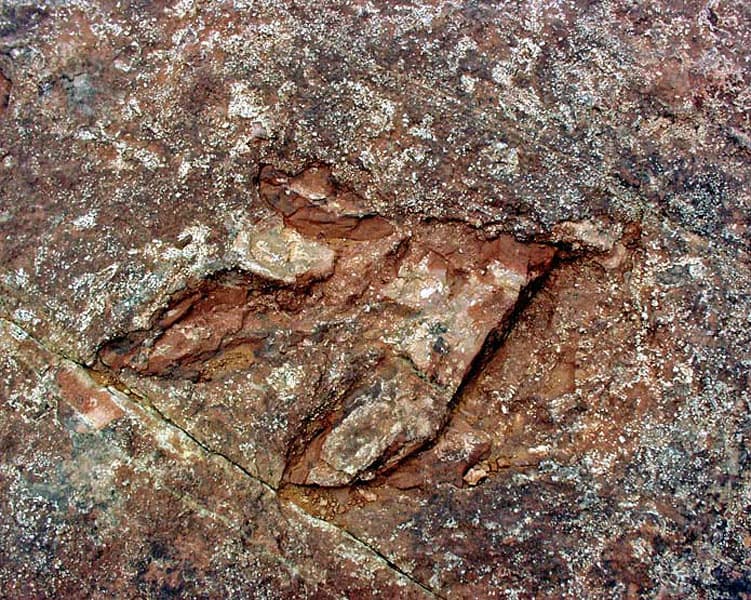
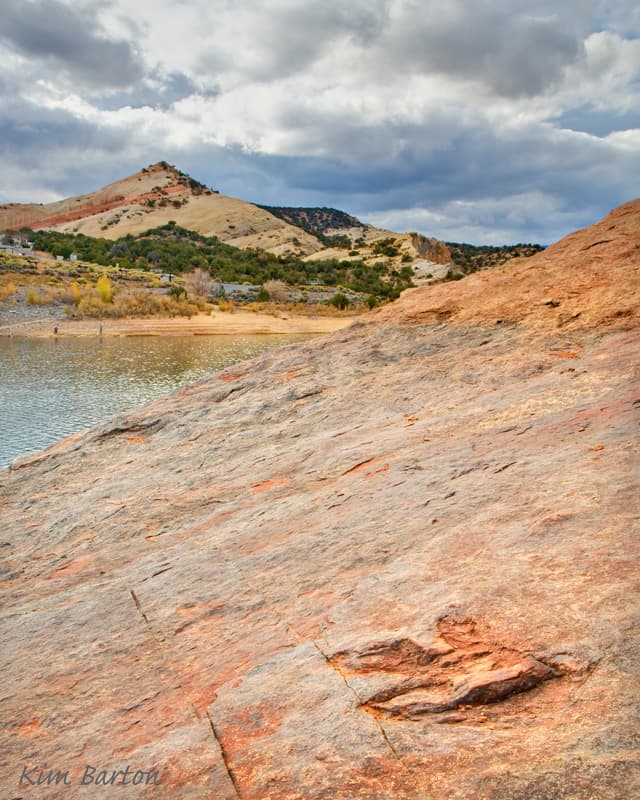
Red Fleet State Park: Home to the Dinosaur Trackway, where you can hike to see actual fossilized footprints from the Jurassic period preserved in the sandstone.
"Dinah" the Pink Dinosaur: The iconic 40-foot-tall pink dinosaur statue that has been welcoming visitors to the city for over 60 years. Don't forget to look for the Holiday T-Rex on the west end of town, too—he changes outfits for every season!
Frequently Asked Questions
What is the most common dinosaur found in Utah?
The Allosaurus is the most common predatory dinosaur found in Utah. So many have been discovered at the Cleveland-Lloyd Dinosaur Quarry that it was named Utah’s State Fossil!
Where can I see real dinosaur tracks in Utah?
One of the best places is Red Fleet State Park near Vernal. A short hike leads you to a sandstone slab at the water’s edge covered in preserved Jurassic-era footprints.
Why is Utah called the "Dinosaur Capital of the World"?
Utah contains a nearly unbroken record of the Mesozoic Era. Because of the state’s unique geology—combining ancient coastal plains with modern-day erosion—fossils are both perfectly preserved and easily accessible.
Can you touch the fossils at Dinosaur National Monument?
Yes! Inside the Quarry Exhibit Hall, there are designated sections of the Wall of Bones where visitors are allowed to touch real dinosaur fossils that are over 149 million years old.
The Dino Cherry on Top: Dino Lodging & Dining
What makes a trip to Dinosaurland truly unforgettable is that the theme doesn't stop at the museum doors. You can fully immerse yourself in the experience with dinosaur-themed lodging and dining!
From hotels guarded by prehistoric statues to local eateries where "Dino Hunt" surprises await, there is a whole world of themed hospitality waiting for you.
Ready to start your adventure?
Become a Junior Ranger: Download Your Dinosaurland Activity Guide